The term, the notice window, and the exit bill - all negotiable, until signed
None of these clauses is hidden; all of them are skipped. The 12-36 month term, the 30-90 day notice window and the early-termination formula are each worth real money to a Kimberly business over the life of the system.
Most phone contracts offered in Kimberly run 12-36 months with an automatic-renewal clause: miss the written-notice window, commonly 30-90 days before term end, and many contracts renew for another full term.
Business VoIP seats quoted to Kimberly offices run $15-$30 per user per month at entry tier and $25-$50 at mid tier in 2026 vendor list prices - with annual billing 20-50% cheaper than month-to-month for the same seat.
Kimberly, Idaho has about 5,592 residents, and its phone-system market prices on contract terms, fee schedules and seat counts - the list price is the same everywhere; the total is not.
No regulator caps how long a business phone contract can run or how it renews - unlike some other industries, this one is 'read the contract' territory. The clauses to find and the calendar defense are below.
Phone contracts run 12-36 months as standard - some stretch to 84 - and most carry an automatic-renewal clause with a 30-90 day written-notice window. Miss it, and the contract can renew for another full term with the early-termination fee reset along with it.


The 2026 numbers
| Phone system category | 2026 published range | The number that actually matters |
|---|---|---|
| Cloud VoIP seat (entry tier) | $15-$30/user/month | Annual billing runs 20-50% cheaper than monthly for the same tier |
| Cloud VoIP seat (mid tier) | $25-$50/user/month | Compare the all-in total with taxes and fees - commonly 20-30% on top |
| Contract term | 12-36 months typical (up to 84) | Miss the 30-90 day notice window and many contracts renew a full term |
| Taxes and fees on the bill | commonly 20-30% of the total | Federal USF (38.8% of interstate charges, Q3 2026) and state 911 fees are government-set; 'recovery' fees are carrier-invented |
| SIP trunking (keep your PBX) | $15-$30/channel/month | Priced per concurrent call, not per user - fits businesses keeping a PBX |
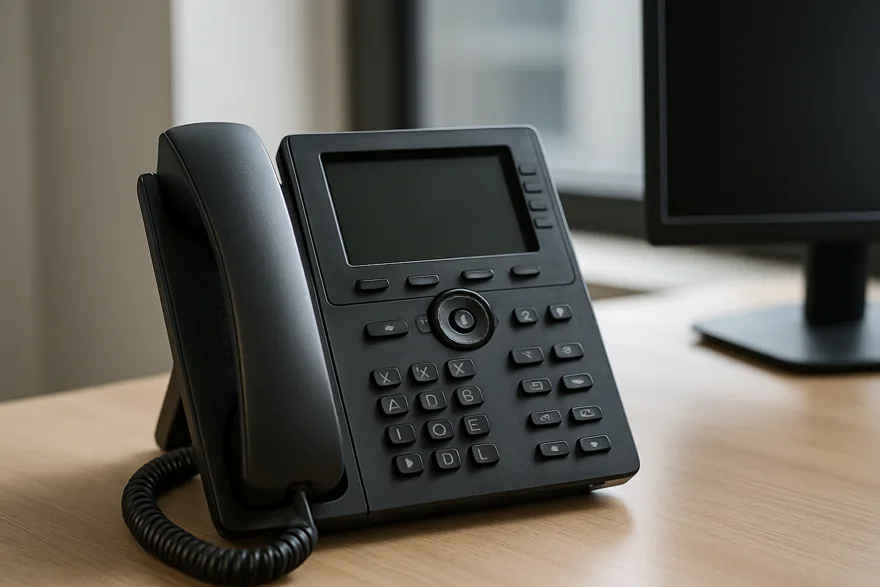
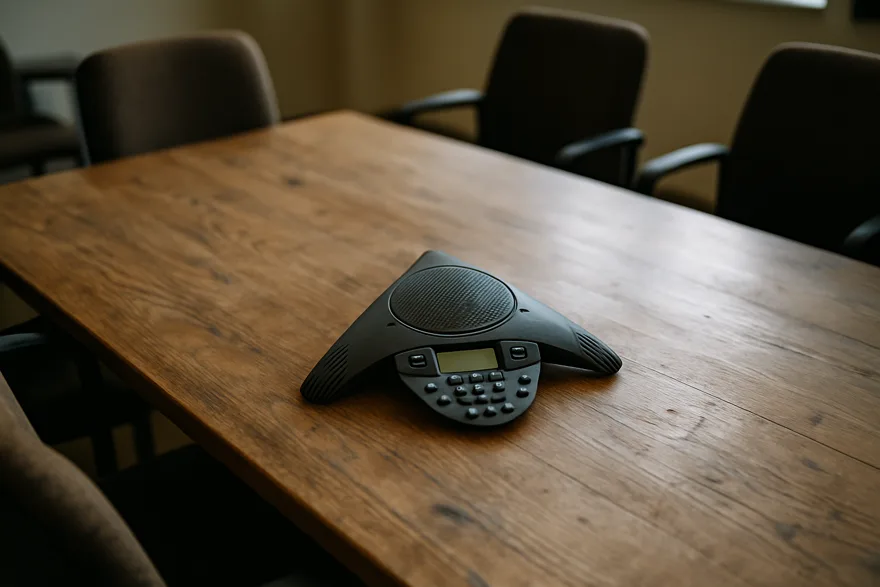
| Desk phones and wiring | $55-$280/phone; $125-$400/cabling drop | 'No upfront cost' plans still need handsets, drops and a PoE switch |
| Legacy analog lines (elevator, fire alarm, fax) | $30-$60/line/month cellular adapter | Copper holdout pricing runs $150-$500+/line - and standard VoIP fails those inspections |
Put a phone contract review out to competing bid before talking price
Two free marketplace paths: one form brings back multiple vetted providers who know they are competing for the job. Competing quotes are the only pricing discipline this industry consistently respects.
External links go to the marketplaces' own sites and forms. This site may earn a referral fee at no cost to you - it never changes the data above, and no individual provider pays to appear in our research.
Negotiable before signature - nearly immovable after
Standard to negotiate out
- Shorter renewal periods, or month-to-month after the initial term
- A notice window long enough to actually track
- ETF caps, or ETFs that step down as the term runs
- Rate locks covering the company-set fee lines, in writing
- Hardware ownership stated plainly at term end
What no vendor will honestly promise
- That the fee lines will not change - company-set fees move at will unless capped in writing
- That a verbal promise outranks the written agreement
- That 'free' hardware is free if you leave early - the clause prices it
- That the renewal will not happen - only your calendar prevents it
- That missing the notice window can be fixed after the fact
The exit math, worked
The common early-termination formula is every remaining month at full price - a 24-month contract at $150 a month cancelled after 6 months means a $2,700 exit bill - though some providers use flat fees around $295-$995 instead, and 'free' hardware credits are commonly clawed back on top. No regulator caps these terms for business lines. The day you sign, calendar two dates: the notice window opening and its deadline.

What this means in Kimberly
The most expensive line in a phone contract is the one that renews itself: miss the written-notice window - commonly 30-90 days before term end - and many contracts renew for another full term, early-termination fee and all.
This page is independent research, not legal, tax or purchasing advice. Fee schedules, 911 surcharges and telecom rules are set by federal and state authorities and by individual contracts, and they change - verify current rates with your state and the full fee schedule with any provider before signing.
Common questions
How much does a business phone system cost per user?
In 2026 vendor list prices, entry tiers run about $15-$30 per user per month, mid tiers $25-$50, and top or enterprise tiers $50-$155 - with annual billing consistently 20-50% cheaper than month-to-month for the same tier. These are directional list-price ranges, not quotes: the real comparison adds taxes and fees, which commonly run another 20-30% of the bill.
What is SIP trunking and when does it make sense?
SIP trunking replaces the copper lines feeding a phone system you already own - priced per concurrent call channel, commonly $15-$30 per channel monthly for unlimited plans - rather than per user. The decision line is your existing hardware: if you own a PBX worth keeping, SIP trunking preserves that investment; if you are ready to retire it, per-user cloud seats usually price out simpler and include the features separately billed elsewhere.
Why is my phone bill higher than the quoted price?
Because the quote is the seat price and the bill adds two kinds of extras: genuine government charges - the federal Universal Service Fund contribution (38.8% of interstate charges in Q3 2026) and your state's 911 surcharge - and carrier-invented lines like 'Regulatory Recovery Fee' or 'Administrative Fee', which the provider sets at its own discretion and keeps. Together, taxes and fees commonly add 20-30% to the bill.
What hardware do I need for a VoIP system?
Desk phones run about $55-$90 entry-level, $120-$280 mid-range, and $400-$990+ for conference-room units in current reseller pricing. If your building lacks wired Ethernet at each desk, budget roughly $125-$400 per cabling drop installed, plus a PoE switch (from about $70-$150 for a basic 8-port unit) to power the phones. 'No upfront cost' plans price the software - the building's wiring is your line item.
Can my phone provider stop me from keeping my number?
No. FCC rules bar any provider - including VoIP providers - from using a contract to block you from porting your number to another provider, and require simple ports, including to and from VoIP, to complete within one business day. An early-termination fee may still apply under your contract, but the number itself cannot be held hostage.
Put a phone contract review out to competing bid before talking price
Two free marketplace paths: one form brings back multiple vetted providers who know they are competing for the job. Competing quotes are the only pricing discipline this industry consistently respects.
External links go to the marketplaces' own sites and forms. This site may earn a referral fee at no cost to you - it never changes the data above, and no individual provider pays to appear in our research.
Prices in nearby cities
Kooskia · Kootenai · Kuna · Lapwai · Lava Hot Springs · Leadore · Lewiston · Lewisville · Mackay · Malad City · Malta · Marsing